
Sha’Carri Richardson Calls on Track Athletes to Demand Better Treatment and Pay
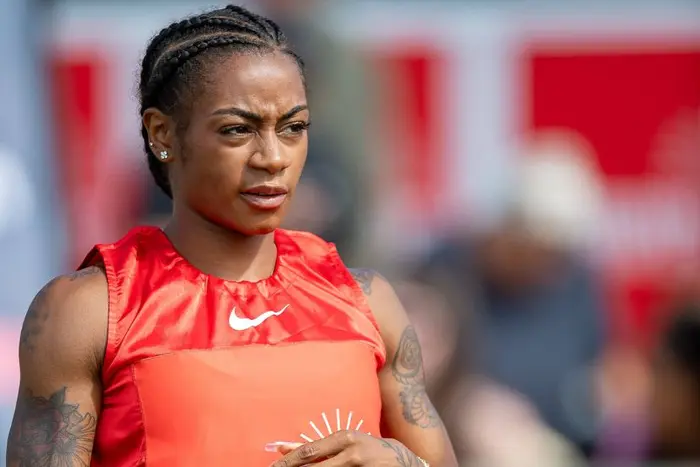
The 2023 world 100m champion sparked debate on social media after challenging athletes to stop accepting conditions they believe undervalue their work and instead push for meaningful structural changes.
Richardson's comments came in a two-part post on X, where she questioned why athletes who feel poorly treated continue to compete without collectively demanding reforms.
“I hear too many conversations of athletes in track and field that feel undervalued, yet they still continue to show up on the line🤨,” Richardson wrote.
Her remarks have highlighted a long-running issue in athletics, where athletes frequently raise concerns about prize money, sponsorship dependence and the level of support provided by governing bodies and event organisers.
Richardson suggested that athletes could learn from other professional sports where competitors have used collective action to improve their working conditions and increase their earning potential.
Richardson points to WNBA example
The American sprinter specifically highlighted the Women's National Basketball Association as an example of athletes using their collective voice to demand change.
WNBA players have publicly campaigned over issues including salaries, travel arrangements and revenue sharing, while also pushing for greater recognition of the league's commercial value.
Richardson questioned why track and field athletes have not adopted a similar approach.
“The WNBA was very vocal about the inconsistencies in their profession and look where it got them. When will track and field do the same?” she asked.
Her comments come against the backdrop of a sport in which athletes often compete individually and lack the collective bargaining structures found in major team sports.
Many elite track athletes depend heavily on sponsorship agreements, appearance fees, prize money and performance bonuses, making their financial security particularly vulnerable to changes in form, injuries and marketability.
Richardson's argument is that athletes possess greater collective influence than they may realise. By continuing to compete despite dissatisfaction, she suggested, athletes risk allowing existing structures to remain unchanged.
Her intervention has therefore reopened a wider discussion about whether track and field competitors should organise more effectively and use their combined influence to push governing bodies, organisers, broadcasters and sponsors for better conditions.
For Richardson, the message is clear: athletes who believe they are undervalued must be prepared to demand change rather than simply continue operating within a system they believe is failing them.

Quincy is a seasoned sports journalist, editor, and media professional with extensive experience delivering high-impact content across leading media platforms. Renowned for a discerning editorial perspective and a strong command of the sports industry, Quincy has built a distinguished portfolio spanning sports journalism, strategic storytelling, and content development. With a commitment to journalistic excellence, accuracy, and compelling narrative, Quincy brings a sophisticated editorial app
More from this author →

Comments (0)
Be the first to comment on this story.
Leave a comment