
Stoke City Have Spent a Decade Stuck in the Championship — But Their Owners Have Made One Huge Difference
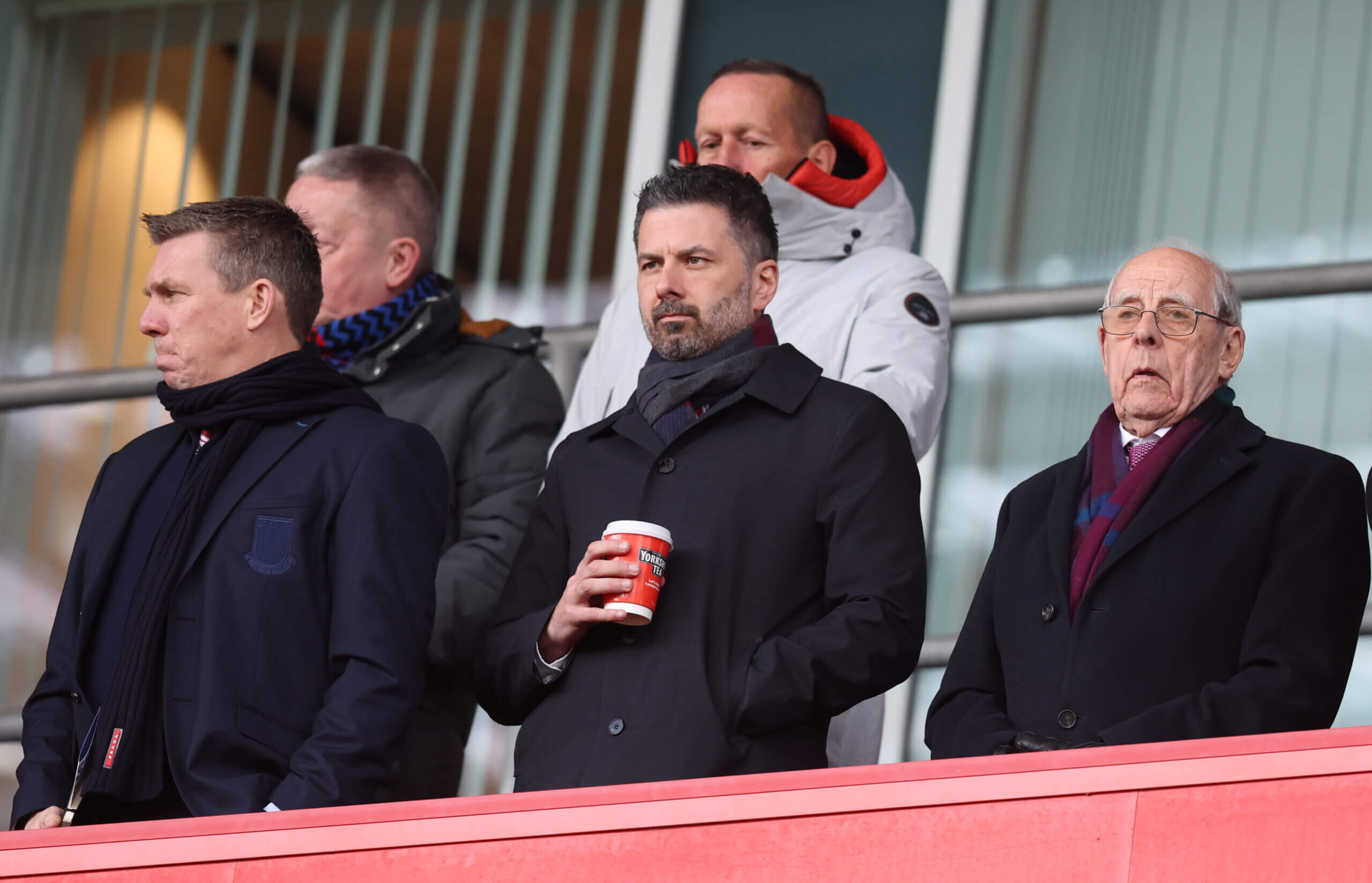
After three consecutive defeats left the Potters bottom of the table, consecutive home victories over Norwich City and Charlton Athletic have transformed the picture.
Those six points have lifted Stoke to 13th, giving them a much healthier platform from which to build.
But while the early-season turnaround is encouraging, Stoke remain in the bottom half — a position that has become painfully familiar since their relegation from the Premier League in 2018.
The club have now failed to finish in the top half of the Championship in every season since dropping out of the top flight.
Yet there is another side to Stoke's story.
While their performances on the pitch have frequently underwhelmed, the club's financial survival has been repeatedly supported by the Coates family.
Stoke's £160m financial reset
The first major intervention came in 2022, shortly after Stoke's Premier League parachute payments had ended.
At the time, the club were owned by the Bet365 Group, with the business converting £40 million of loans into equity in Stoke's holding company.
A further £120 million of shareholder loans was waived, effectively removing £160 million of debt from the club's books.
Then co-chairman John Coates said the move would strengthen Stoke's balance sheet and provide greater long-term stability.
It was a significant intervention at a club operating in a Championship environment where financial resources can vary dramatically from one team to another.
The Championship financial problem
Stoke's situation highlights one of the biggest challenges facing clubs in the Championship.
Some teams relegated from the Premier League continue to benefit from parachute payments, giving them considerably greater financial resources than clubs without that income.
For teams such as Stoke, the absence of those payments can make competing at the top end of the division considerably more difficult.
That is where supportive ownership can become crucial.
Without owners willing and able to absorb losses or restructure debt, clubs can find themselves exposed to enormous financial pressure while trying to chase promotion.
Stoke have benefited from precisely that kind of backing.
The 2024 change was even bigger
The next major financial transformation came in 2024, when John Coates became the outright owner of Stoke following a demerger implemented by Bet365 Group.
That restructuring resulted in a further £90.5 million of debt being waived.
Combined with the earlier intervention, the scale of the debt restructuring is striking.
It also changed the ownership of Stoke's stadium and training facilities, with those assets moving to the football club.
The financial consequences became clearer when Stoke published their annual accounts in March 2026.
A £25.7 million loss for 2023/24 was followed by a reported £60.8 million profit for the following season.
The transformation demonstrates just how dramatically the balance sheet had been reshaped.
'Bank of mum and dad'
Football finance expert Kieran Maguire provided a colourful description of the relationship between Bet365 and Stoke following the 2024 restructuring.
Speaking to BBC Radio Stoke, Maguire characterised the arrangement as Bet365 effectively acting as the club's “bank of mum and dad”, recognising that debts accumulated over time were unlikely to be repaid in full.
His comments underlined the scale of the financial support Stoke had received.
The club had previously carried debt of more than a quarter of a billion pounds, making the subsequent restructuring particularly significant.
For supporters, it meant that although Stoke had not been able to turn their Championship resources into sustained promotion challenges, the club's underlying financial position had been strengthened.
Stoke's problem remains on the pitch
That does not mean the financial restructuring has solved Stoke's footballing problems.
Far from it.
Since their 2018 relegation, the Potters have failed to finish above the halfway point of the Championship table.
That represents a remarkable period of underachievement for a club that spent a decade in the Premier League before falling into the second tier.
The question now is whether the latest start can finally provide something different.
Three defeats followed by wins over Norwich and Charlton show just how quickly the Championship table can change, particularly this early in a campaign.
Stoke's position in 13th is not yet enough to suggest a promotion push, but it is certainly a more encouraging position than the one they occupied after the opening three games.
Leicester provide a warning
The importance of financial stability can be seen elsewhere in the Midlands.
Leicester City's recent struggles demonstrate what can happen when a club's financial problems become intertwined with sporting ambitions.
The King Power Group's ability to support Leicester was affected by the financial impact of the pandemic, while a breach of PSR rules ultimately resulted in a five-point deduction.
That deduction contributed to Leicester's relegation from the Championship at the end of the 2025/26 season.
They have subsequently endured a difficult beginning to life in League One under Russell Martin.
Stoke have avoided a similar spiral largely because their ownership structure has been able to provide substantial financial support when required.
Can Stoke finally turn stability into success?
That is the next challenge.
The Coates family's interventions have helped put Stoke in a much stronger financial position, but balance-sheet stability does not automatically produce promotion.
The Potters still have to turn that platform into sustained success on the pitch.
Their consecutive victories over Norwich and Charlton have at least provided an early indication that the season can be rescued after its disastrous opening.
For a club that has spent years in the Championship's bottom half, the immediate priority is to build momentum rather than look too far ahead.
But Stoke supporters can take some comfort from the fact that, unlike many clubs operating in the financially unforgiving Championship, their club has owners who have repeatedly demonstrated a willingness to protect its future.
The challenge now is for the football side to give that investment something to show for itself.

Quincy is a seasoned sports journalist, editor, and media professional with extensive experience delivering high-impact content across leading media platforms. Renowned for a discerning editorial perspective and a strong command of the sports industry, Quincy has built a distinguished portfolio spanning sports journalism, strategic storytelling, and content development. With a commitment to journalistic excellence, accuracy, and compelling narrative, Quincy brings a sophisticated editorial app
More from this author →Related Stories
 Championship
Southampton Prepare for Tonda Eckert Ban as Spygate Verdict Could Force Major Managerial Decision
 Championship
Wrexham Boss Phil Parkinson Furious After Swansea Challenge as He Claims ‘Leg Breaking’ Red Card Was Missed
 Championship
Middlesbrough Captaincy Twist as Kim Hellberg Explains Why Callum Brittain Got the Armband
 Championship
Comments (0)
Be the first to comment on this story.
Leave a comment